


Fall Road Trip Prep: Readying Your BMW for Mountain and Desert Drives
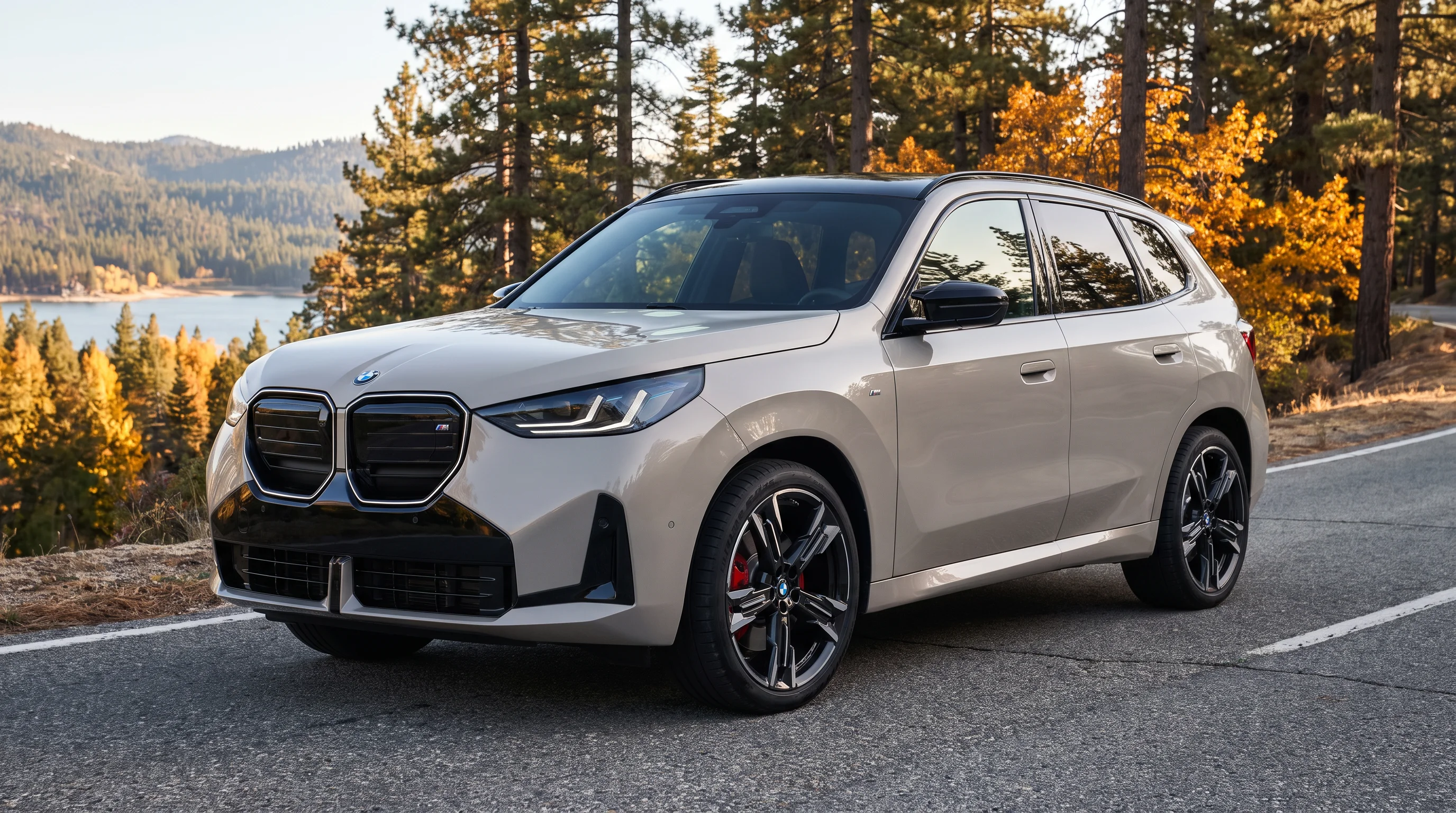
What Specific Items Are Included in a BMW Multi-Point Pre-Trip Inspection?
A BMW multi-point pre-trip inspection evaluates fluid levels, brake pad thickness, rotor condition, suspension bushings, drive belts, tire tread depth and inflation pressure, battery health, climate control performance, and onboard diagnostic fault codes. Factory-trained technicians test system electronics and mechanical hardware to verify overall vehicle safety and roadworthiness before a mountain ascent or a run through desert heat.
What the Inspection Covers
| System | What Technicians Check |
|---|---|
| Engine fluids | Synthetic engine oil, engine coolant, brake fluid, windshield washer fluid, and differential fluids |
| Brakes | Pad thickness measured in millimeters; rotors examined for uneven wear, rust ridges, or thermal stress lines |
| Tires | Remaining tread depth across all four wheels, sidewalls for bulges or cracks, and pressure against the door-pillar placard |
| Battery | Diagnostic load test confirming proper voltage delivery to the electrical system and onboard safety features |
| Suspension | Components and rubber bushings given physical scrutiny to confirm tight handling on winding roads |
| Electronics | Engine control units scanned for stored or pending fault codes that have not yet triggered a dashboard warning light |
| Climate control | Heating, ventilation, and air conditioning tested for rapid cooling in desert conditions and effective cabin defrosting in freezing mountain air |
If your BMW is approaching a scheduled interval before you leave, review the BMW X5 maintenance schedule alongside your inspection so both can be handled in one visit.‖ For drivers in Riverside preparing for extended seasonal travel, a professional pre-trip evaluation provides peace of mind before steep grades or remote stretches of highway.
‖ This information is provided for general educational purposes only and does not constitute legal advice. Warranty coverage depends on the specific terms of your vehicle’s warranty agreement. Consult your owner’s manual or a qualified legal professional for guidance on your individual situation.
BMW xDrive and Traction Control on Mountain Grades and Loose Surfaces
BMW xDrive intelligent all-wheel drive adapts to changing traction using an electronically controlled multi-plate clutch that redistributes drive torque between the front and rear axles within milliseconds. Under normal highway driving, the system holds a standard torque distribution of 40:60 front-to-rear, preserving classic rear-wheel-drive dynamics. When wheel spin or lateral instability is detected on a steep ascent or loose gravel, up to 100 percent of available torque can transfer to the axle with the most grip.
Dynamic Traction Control is a sub-function of Dynamic Stability Control, activated by its own button. It raises the slip threshold so a controlled amount of wheel spin is permitted on soft sand, deep snow, or loose unpaved surfaces, letting momentum carry the vehicle through.¶ Maintaining these systems with original equipment keeps them performing as designed, which is why sourcing components through our genuine BMW parts department ensures full compatibility with factory drive systems.
¶ Driver-assist and safety systems are supplemental aids and are not a substitute for safe, attentive driving. Their effectiveness depends on weather, road, and traffic conditions and other factors. Always obey traffic laws and stay attentive to the road. See your owner’s manual for system details and limitations.
Cited Source: BMW USA — BMW xDrive torque distribution and Dynamic Traction Control operation
Tire Pressure, Temperature Swings and Heavy Trip Loads
The BMW Tire Pressure Monitor (TPM) tracks real-time inflation pressure and internal tire temperature at all four wheels using individual sensors integrated into each wheel’s valve assembly. Tire pressure moves roughly 1 PSI for every 10-degree Fahrenheit change in ambient temperature, so driving from a warm desert valley to a cold mountain summit can drop pressure several PSI. Federal standards require a tire pressure monitoring system to illuminate the low-pressure warning within 20 minutes once a tire reaches 25 percent or more below the placard pressure — already well past the point where handling and tire wear are affected, which is why a gauge check before departure remains the reliable method.
¶ Driver-assist and safety systems are supplemental aids and are not a substitute for safe, attentive driving. Their effectiveness depends on weather, road, and traffic conditions and other factors. Always obey traffic laws and stay attentive to the road. See your owner’s manual for system details and limitations.
Carrying extra luggage, outdoor gear, or a full cabin of passengers calls for adjusting cold inflation pressures before departure. The driver’s door-pillar placard outlines the heavy-load recommendations for your vehicle. If you are unsure which figure applies, our guide to recommended BMW tire pressure walks through reading the placard.
Before You Leave
Check Cold
Check cold inflation pressures in the morning, before driving or exposure to direct sunlight.
Reset the Baseline
Reset the Tire Pressure Monitor baseline through the iDrive menu after adjusting inflation or switching load configurations.
Verify the Rating
For severe snow performance, look for the three-peak mountain snowflake symbol, which signals a tire tested to the industry severe snow service standard rather than the tread-pattern-based M+S marking alone.
Confirm the Fitment
Confirm wheel and tire size combinations comply with factory-approved equipment standards before mounting winter or off-road fitments.
For families in Moreno Valley gearing up for mountain trips, accurate pressure calibration keeps the contact patch consistent on both hot desert asphalt and cold mountain pavement. If your BMW is fitted with run-flat tires, their stiffer sidewalls change how a pressure loss feels from behind the wheel.
Cited Source: NHTSA — FMVSS No. 138 tire pressure monitoring warning threshold and timing | Tire Rack — three-peak mountain snowflake severe snow service rating
Your Fall Service Checklist for Riverside-Area Driving
Inland Empire driving puts a particular kind of wear on a BMW. The vehicle has just come off months of valley heat, and the next several months bring the first rains of the season, blowing dust, and weekend runs up the grade to cooler elevations. The items below are what our technicians look at most often on fall service visits for drivers in Riverside, Corona, Norco, and Moreno Valley — whether or not a road trip is on the calendar.
What We Check and Why It Matters Now
| Service Item | Why It Matters This Season |
|---|---|
| Battery and charging system | Heat, not cold, is the leading cause of battery failure. A battery that survived a summer of Inland Empire parking-lot temperatures can still fail on the first cold morning at elevation. Industry guidance is to have a battery load tested once it passes three years of service. |
| Cooling system | Coolant condition, hose integrity, and cooling fan operation after a full summer under sustained thermal load. Demand climbs again on a long mountain grade, so a marginal system tends to reveal itself on the climb rather than in stop-and-go traffic. |
| Brakes and brake fluid | Pad thickness and rotor condition. Pads with less than 3 millimeters of remaining friction material should be replaced, and a brake fluid flush every two years clears absorbed moisture that lowers the fluid’s boiling point under heavy braking. |
| Tires | Tread measured against the wear indicator bars, sidewalls inspected for heat cracking after summer, and cold inflation pressures reset to the door-pillar placard. Wet-weather grip falls off well before a tire looks worn out. |
| Wipers, washer fluid and cabin air filter | Sun-baked wiper blades streak on the first rain of the season, and a cabin filter loaded with summer dust restricts airflow at exactly the point defrost performance starts to matter. |
| Exterior lighting | Shorter daylight after the time change puts more of the commute in the dark. Headlights, taillights, brake lights, and turn signals are checked for output and alignment. |
None of these require a trip to the mountains to be worth doing. They are the same items that keep a daily commute on the 91 or the 60 predictable once the wet season arrives.◊
◊ The information in this article is general guidance and does not constitute a specific diagnostic or repair recommendation for any individual vehicle. Repair and maintenance decisions should be made in consultation with a certified technician based on the specific condition of your vehicle.
Cited Source: AAA — heat as a leading cause of battery degradation and the recommendation to test batteries older than three years
Frequently Asked Questions: BMW Road Trip Service and Mountain Prep
What baseline tire pressure reset steps should be followed after adjusting inflation for heavy trip loads?
After inflating tires to the recommended heavy-load PSI listed on the door-pillar placard, start the engine and open the vehicle status menu on your iDrive display. Select the Tire Pressure Monitor section, choose the current tire setup or load state, and select the reset option. Then drive for 10 to 15 minutes at speeds above 20 mph so the wheel sensors can measure new baseline readings and save the updated target pressures.
How does a drop in mountain temperature affect the battery in a BMW?
Cold weather slows the chemical reaction inside a 12-volt starter battery or high-voltage battery pack, reducing cranking amperage and temporarily reducing energy range. If a battery is already weak or approaching the end of its three-to-five-year lifespan, sudden exposure to freezing temperatures at elevation can prevent the engine from starting. A pre-trip battery load test identifies declining capacity before you travel. Owners of electrified models can review our BMW EV maintenance guidance for additional cold-weather considerations.
Can snow chains damage the wheel arches or suspension on a sports-package equipped BMW?
Improper, non-approved snow chains and clearance-intrusive traction devices installed on low-profile performance tires can cause severe damage to suspension struts, brake lines, and body fenders. Always verify clearance limits in your digital owner’s manual and use low-profile, BMW-approved traction devices engineered for your exact wheel and tire diameter.
Why is engine oil level accuracy especially critical on steep mountain inclines?
Operating an engine at steep angles shifts oil in the pan away from the pickup tube when the level is low. Sustained high-RPM loads during long uphill climbs with low oil volume can cause brief oil starvation, increasing internal friction and component wear. Current BMW models have no physical dipstick, so the level is read electronically through iDrive. The measurement requires a warm engine, with the vehicle in Park or Neutral on level ground, so run the check at the end of a drive rather than on a cold start before departure.
Schedule Your Pre-Trip Inspection at BMW of Riverside
Preparing your BMW for mountain summits or desert runs comes down to proper mechanical inspection, accurate tire management, and complete fluid checks. Having the vehicle evaluated by certified technicians removes mechanical uncertainty so you can focus on the drive.◊ For more seasonal guidance, browse our full Service and Parts Tips library.
◊ The information in this article is general guidance and does not constitute a specific diagnostic or repair recommendation for any individual vehicle. Repair and maintenance decisions should be made in consultation with a certified technician based on the specific condition of your vehicle.
Disclaimers
¶ Driver-assist and safety systems are supplemental aids and are not a substitute for safe, attentive driving. Their effectiveness depends on weather, road, and traffic conditions and other factors. Always obey traffic laws and stay attentive to the road. See your owner’s manual for system details and limitations.
‖ This information is provided for general educational purposes only and does not constitute legal advice. Warranty coverage depends on the specific terms of your vehicle’s warranty agreement. Consult your owner’s manual or a qualified legal professional for guidance on your individual situation.
◊ The information in this article is general guidance and does not constitute a specific diagnostic or repair recommendation for any individual vehicle. Repair and maintenance decisions should be made in consultation with a certified technician based on the specific condition of your vehicle.
Cited Sources
Cited Source: BMW USA — BMW xDrive torque distribution and Dynamic Traction Control operation | NHTSA — FMVSS No. 138 tire pressure monitoring warning threshold and timing | Tire Rack — three-peak mountain snowflake severe snow service rating | AAA — heat as a leading cause of battery degradation and the recommendation to test batteries older than three years
0 comment(s) so far on Fall Road Trip Prep: Readying Your BMW for Mountain and Desert Drives