


What Does Plug-In Hybrid Mean? PHEV vs. Hybrid vs. EV Explained
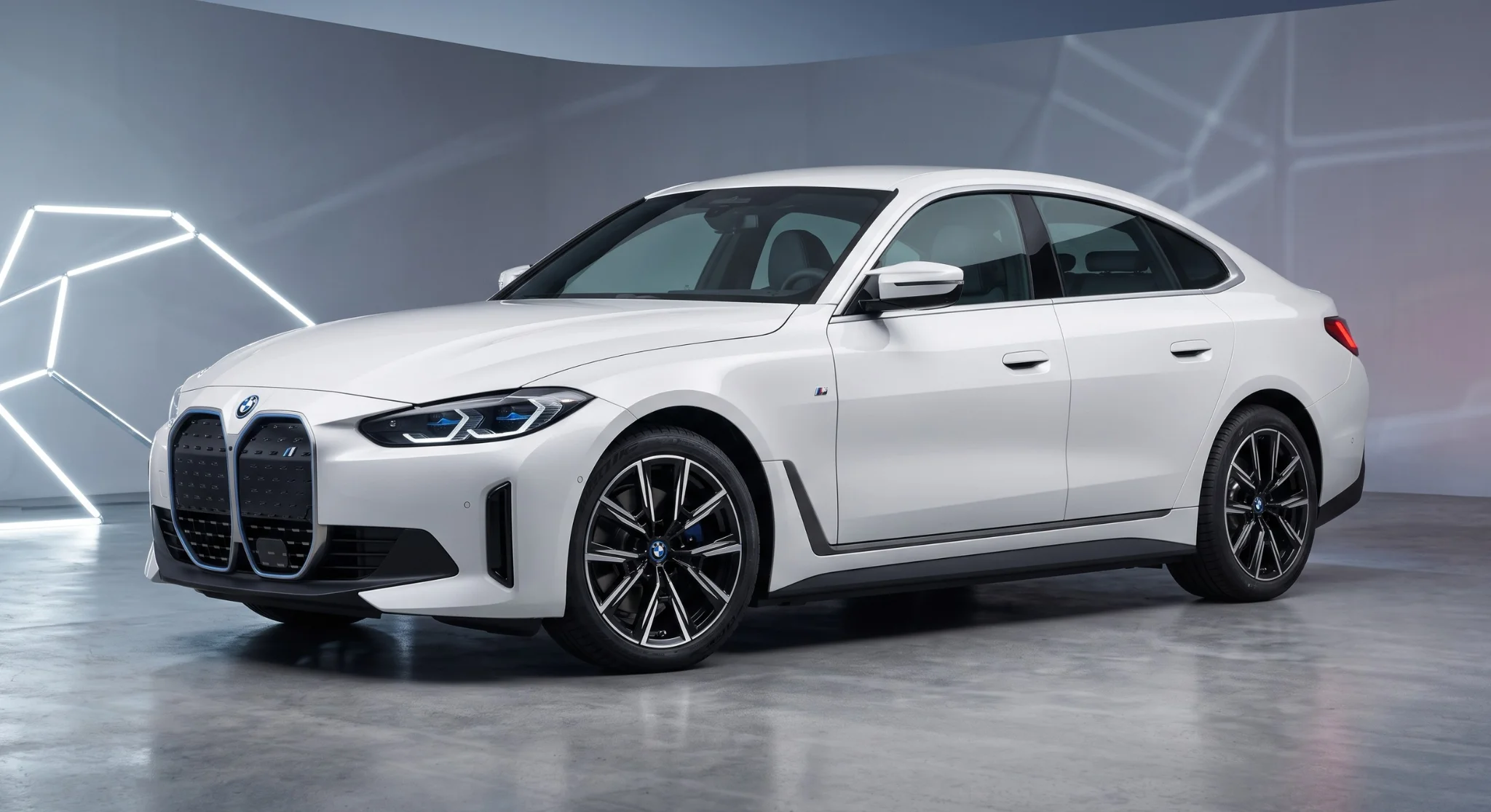
Choosing your next vehicle is easier once you understand how today’s electrified powertrains actually differ. A traditional hybrid (HEV) uses a small battery that charges only through regenerative braking and the gasoline engine. It cannot be plugged in, and its electric motor mainly assists the engine rather than driving the vehicle on its own for any real distance.
A plug-in hybrid (PHEV) adds a much larger high-voltage lithium-ion battery and a stronger electric motor. You plug it in to reach its full electric-only capability, and it can run on electricity alone for a set range before switching seamlessly to conventional hybrid operation. A fully electric vehicle (EV) goes further still, with no gasoline engine at all and zero tailpipe emissions under every driving condition.
The BMW X5 xDrive50e is a clear example of the plug-in approach. It pairs a 3.0-liter BMW TwinPower Turbo inline-six with an electric motor built into its eight-speed automatic transmission, so you can prioritize quiet electric driving for local trips while keeping a combustion engine ready for longer highway drives.
How the Three Powertrains Compare
| Powertrain | Plugs in to charge? | Electric-only driving | Primary charging | Tailpipe emissions |
|---|---|---|---|---|
| Traditional Hybrid (HEV) | No | Minimal — the motor assists the engine | Self-charging via regenerative braking and the engine | Engine runs, so it emits while driving |
| Plug-In Hybrid (PHEV) | Yes | A set electric range, then hybrid mode (X5 xDrive50e: up to 38 miles, EPA-estimated) | Level 1 & Level 2 AC | Zero in electric mode; emits when the engine runs |
| Fully Electric (EV) | Yes | Full driving range on electricity | Level 1 & Level 2 AC plus DC fast charging | Zero under all conditions |
Highway Speeds and All-Electric Range: Can You Commute Without Gasoline?
A common question is whether a plug-in hybrid can hold highway speeds on electricity alone. Modern PHEVs use electric motors strong enough to merge and cruise at sustained highway speeds without waking the gasoline engine, delivering instant torque and smooth acceleration.
When the battery runs low, the vehicle does not stop. The energy-management system engages the gasoline engine so smoothly the transition is nearly imperceptible, and the vehicle simply operates as an efficient hybrid from there, recovering energy under braking. For Riverside-area drivers, that means a full daily commute can often run on electricity alone after an overnight charge, while the gas engine erases any range anxiety on longer weekend trips.
The Financial Picture: Purchase Cost and Long-Term Savings
A plug-in hybrid usually costs more up front than a comparable conventional hybrid or gas-only model, reflecting its larger battery, added power electronics, and onboard charging hardware. The BMW X5 xDrive50e, for instance, starts around $76,000 MSRP.
Over time, the math shifts toward the PHEV. Driving on electricity is typically cheaper per mile than gasoline, and because the engine runs less often, owners can see reduced wear and lower routine maintenance. Regenerative braking also eases wear on brake pads and rotors.
One thing to know before you shop: the federal Clean Vehicle Credit under IRC Section 30D — historically up to $7,500 — was ended by Public Law 119-21 and is not available for vehicles acquired after September 30, 2025, according to the IRS Clean Vehicle Credit guidance. A narrow exception applies to buyers with a binding written contract and payment made on or before that date. Current purchases generally do not qualify for the federal credit.
Manufacturer’s Suggested Retail Price (MSRP) for new vehicles includes manufacturer and distributor options and delivery, process and handling fees, which may be subject to change at any time. MSRP excludes taxes, title, license and dealer installed options, accessories, fees and charges. MSRP is not the dealer advertised price. Dealer price will vary. The dealer sets the final price.
Charging a Plug-In Hybrid: Home and Public Options
Most plug-in hybrids do not use DC fast charging, which is typically reserved for fully electric vehicles with far larger batteries. PHEVs rely on Level 1 and Level 2 AC charging, which fit easily into daily routines.
Level 1 uses a standard 120-volt household outlet. It needs no electrical work, but it is slow — often 15 to 20 hours or more for a full charge, best as an overnight backup. A 240-volt Level 2 charger is much faster: the X5 xDrive50e, with roughly 25.7 kWh of battery capacity and an 11 kW onboard charger, reaches a full charge in about three hours on a 240-volt connection, per BMW. For many drivers, even an overnight top-up on a standard outlet covers typical local driving.
EPA-estimated fuel economy figures are for comparison purposes only. Your actual mileage will vary depending on driving conditions, how you drive and maintain your vehicle, battery age/condition, and other factors.
Environmental Impact: PHEV vs. Fully Electric
In electric mode, a PHEV produces zero tailpipe emissions, cutting local air pollution during city driving. Because it keeps a gasoline engine, it still emits on longer trips when the engine runs.
A fully electric vehicle produces zero tailpipe emissions in all conditions, and over its full lifecycle — including manufacturing, battery production, and disposal — generally carries a lower overall carbon footprint than a PHEV, provided it is charged on a clean energy grid. Still, plug-in hybrids are an effective bridge, sharply cutting petroleum use without depending on a nationwide fast-charging network. If you are weighing the jump to all-electric, you can explore BMW’s all-electric models alongside the plug-in lineup.
Because a PHEV carries both an electric system and a combustion engine, it still needs routine engine maintenance such as oil changes and filter service on the schedule in your owner’s manual.
Common Plug-In Hybrid Questions
What is the electric-only range of the BMW X5 xDrive50e?
Real-world range varies with driving habits, terrain, and accessory use, but the X5 xDrive50e is EPA-estimated at up to 38 miles of all-electric driving on a full charge, per BMW — enough to cover many daily commutes without using gasoline.
What happens if I run out of battery charge while driving a PHEV?
Nothing dramatic. The vehicle automatically switches to hybrid operation. The gasoline engine takes over and regenerative braking keeps a minimal charge, so you keep driving until you can plug in or refuel.
What warranty covers the hybrid battery in a BMW PHEV?
Every new BMW is backed by the BMW New Vehicle Limited Warranty, and the high-voltage battery is covered separately against defects in materials and workmanship. Exact battery-coverage terms vary by model year and region — and California emissions rules can add coverage — so confirm the specific terms for your vehicle with BMW of Riverside or your owner’s manual.
This information is provided for general educational purposes only and does not constitute legal advice. Warranty coverage depends on the specific terms of your vehicle’s warranty agreement. Consult your owner’s manual or a qualified legal professional for guidance on your individual situation.
Does cold weather reduce the electric range of a plug-in hybrid?
Cold can temporarily lower battery efficiency and raise energy use for cabin heating. Because the Riverside area sees mild winters, local drivers typically experience little cold-weather range loss and more consistent electric performance year-round.
Can I charge a plug-in hybrid at a public charging station?
Yes. PHEVs charge at public Level 2 AC stations using the standard J1772 connector found at many shopping centers, workplaces, and public lots. They generally do not use DC fast chargers, but public Level 2 is a convenient way to top off away from home.
Getting the Most From Your Plug-In Hybrid
The habits that maximize a PHEV are simple: charge overnight so you start each day full and electric, and let hybrid mode manage longer trips, using electric power for low-speed city driving and gasoline for sustained highway cruising. Smooth acceleration and steady use of regenerative braking recover energy and feed it back to the battery. Balance the two power sources well and you get electric-driving benefits with combustion-engine flexibility.
Manufacturer’s Suggested Retail Price (MSRP) for new vehicles includes manufacturer and distributor options and delivery, process and handling fees, which may be subject to change at any time. MSRP excludes taxes, title, license and dealer installed options, accessories, fees and charges. MSRP is not the dealer advertised price. Dealer price will vary. The dealer sets the final price.
EPA-estimated fuel economy figures are for comparison purposes only. Your actual mileage will vary depending on driving conditions, how you drive and maintain your vehicle, battery age/condition, and other factors.
This information is provided for general educational purposes only and does not constitute legal advice. Warranty coverage depends on the specific terms of your vehicle’s warranty agreement. Consult your owner’s manual or a qualified legal professional for guidance on your individual situation.
0 comment(s) so far on What Does Plug-In Hybrid Mean? PHEV vs. Hybrid vs. EV Explained